It’s a simple question — but one that comes up surprisingly often:
What’s the real difference between hiking and walking?
At first glance, they seem interchangeable. Both involve moving forward on your feet. Both get you outside. Both are good for your body and mind.
But look a little closer, and you’ll notice that hiking and walking live on different points along the same spectrum. The difference isn’t just distance — it’s environment, intention, and effort.
Walking: Everyday Movement, Effortless and Accessible
Picture a relaxed stroll through your neighborhood park.
The path is paved. The ground is level. You might be chatting with a friend or listening to music. The pace is comfortable. There’s little planning involved.
That’s walking.
Walking is usually:
-
Done on paved or well-maintained surfaces
-
Relatively flat
-
Low to moderate intensity
-
Accessible with minimal gear
You can head out in sneakers and casual clothes. It’s flexible, spontaneous, and easy to fit into daily life. The goal might be light exercise, stress relief, or simply enjoying fresh air.
It’s movement without complication.
Hiking: Immersive, Intentional, and Terrain-Driven
Now imagine something different.
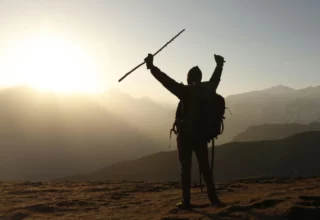
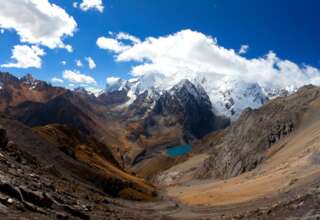
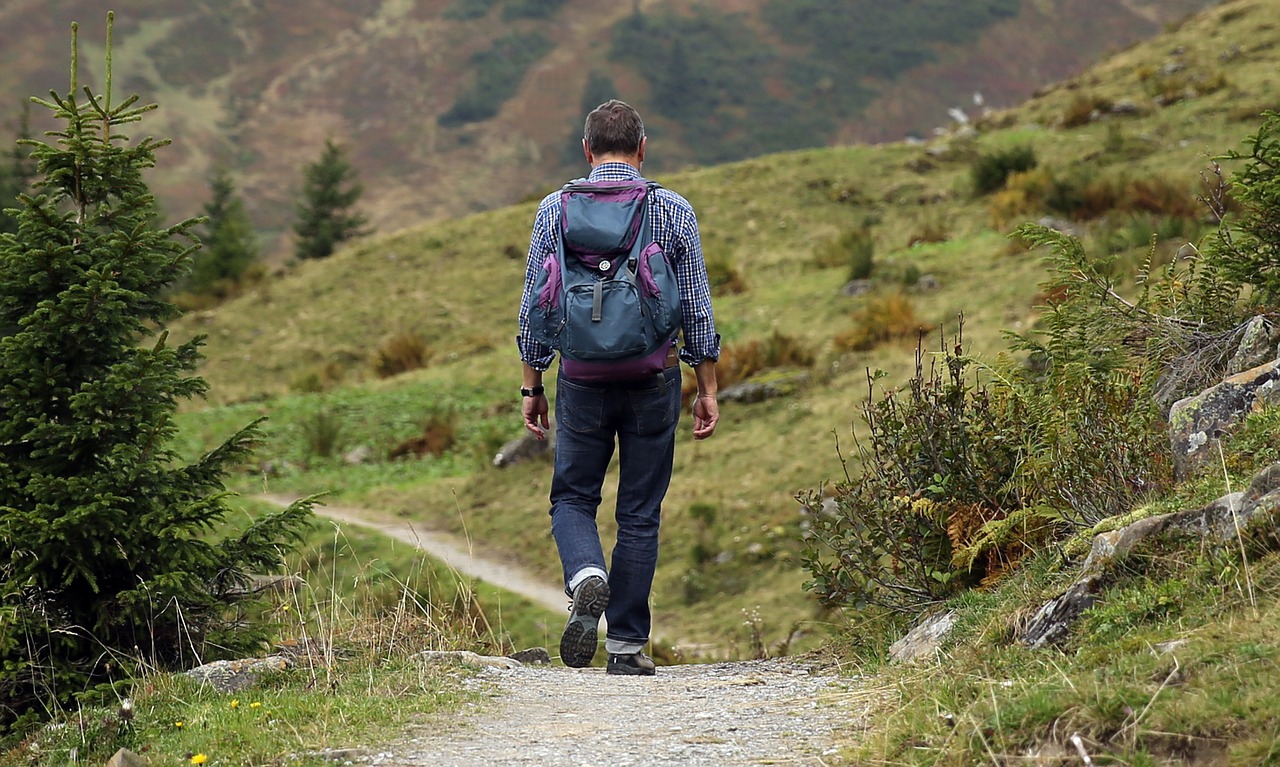
A trail winding through forest. A rocky climb toward a ridge. Roots crossing the path. Elevation gaining steadily beneath your boots.
That’s hiking.
Hiking typically involves:
-
Natural, unpaved trails
-
Uneven or rugged terrain
-
Noticeable elevation changes
-
Greater physical exertion
-
More intentional preparation
You’re more likely to wear sturdy footwear, carry water, maybe even trekking poles. The experience demands engagement — with your footing, your surroundings, and your stamina.
It’s movement with purpose.
The Role of Terrain and Effort
At its core, the difference between hiking and walking often comes down to two things:
1. Surface
Walking generally happens on managed, predictable surfaces.
Hiking takes you onto natural trails shaped by the landscape.
2. Physical Demand
Walking tends to be lower intensity.
Hiking often challenges your endurance, balance, and strength.
That doesn’t mean hiking always has to be extreme. Many outdoor companies — like Alpenwild — offer experiences ranging from gentle scenic walks to strenuous alpine treks. The spectrum is wide.
A mellow forest trail may blur the line between the two. A steep alpine climb firmly plants you in hiking territory.
It’s Not About “Better” — It’s About Intent
Walking and hiking aren’t competitors. They serve different needs.
A brisk walk can:
-
Clear your head
-
Boost your mood
-
Fit easily into a busy schedule
A challenging hike can:
-
Build resilience
-
Deliver sweeping views
-
Offer a powerful sense of accomplishment
Hiking often brings you deeper into nature — sometimes with elevation gains, rocky sections, or even gondola rides to access higher terrain. Walking tends to stay closer to everyday environments.
Both are valid. Both are valuable.
Choosing Your Adventure
When deciding between a walk and a hike, ask yourself:
-
How much time do I have?
-
What level of effort am I looking for?
-
Do I want relaxation or challenge?
-
What gear am I prepared to bring?
Sometimes the best outdoor experiences even blend the two — a scenic lift ride followed by a mountaintop trail, or a casual path that gradually turns more rugged.
In the end, it’s not about labeling the activity. It’s about how you want to feel when you’re out there.
Whether you’re strolling on pavement or climbing a mountain ridge, you’re still moving forward.
And that’s what matters.